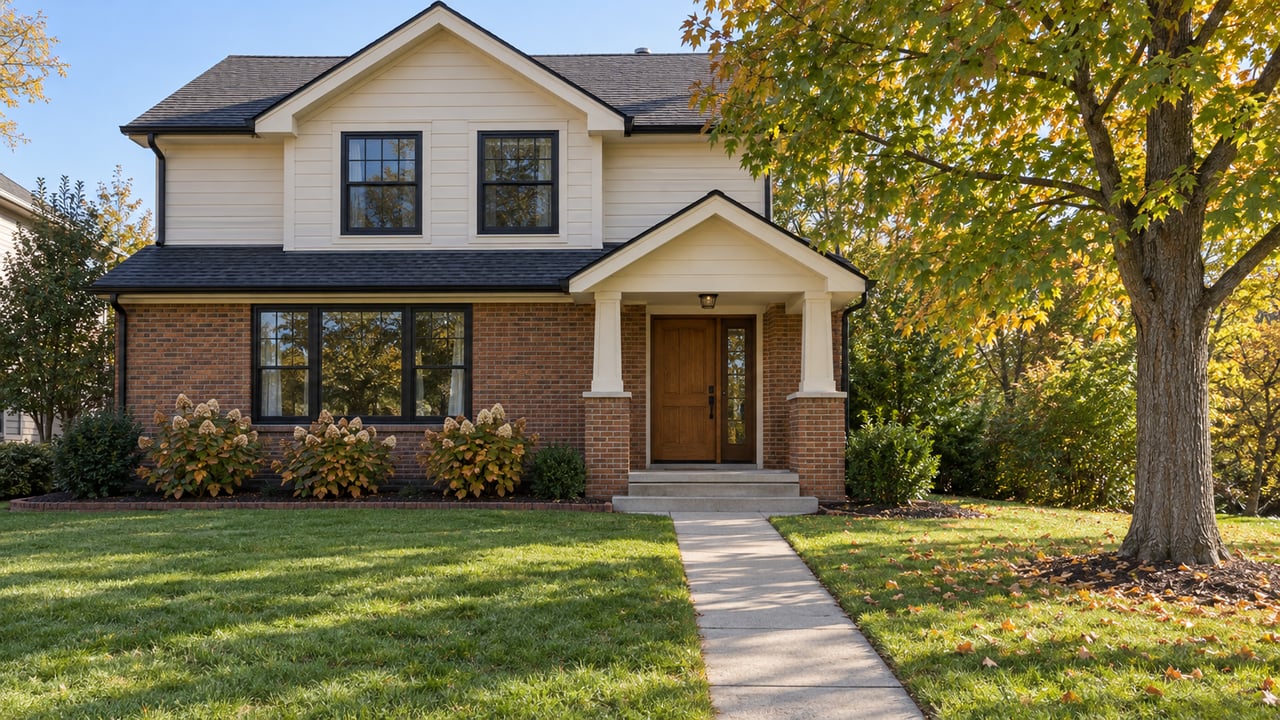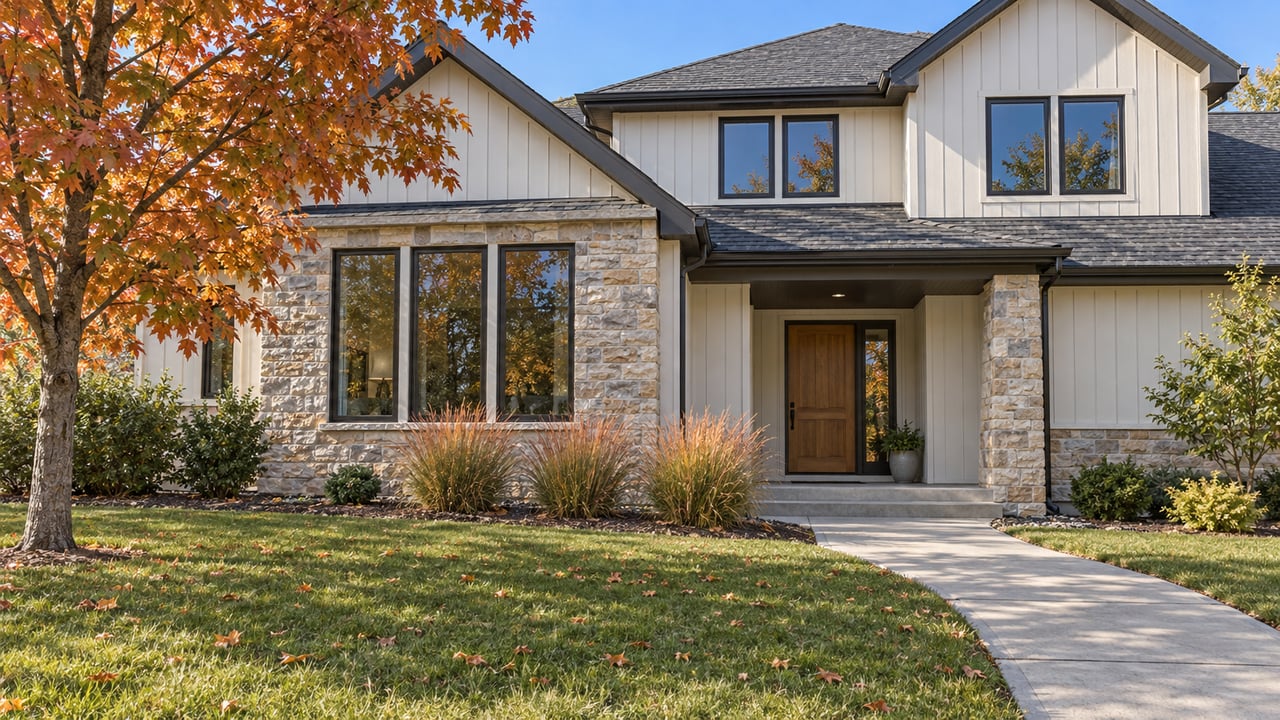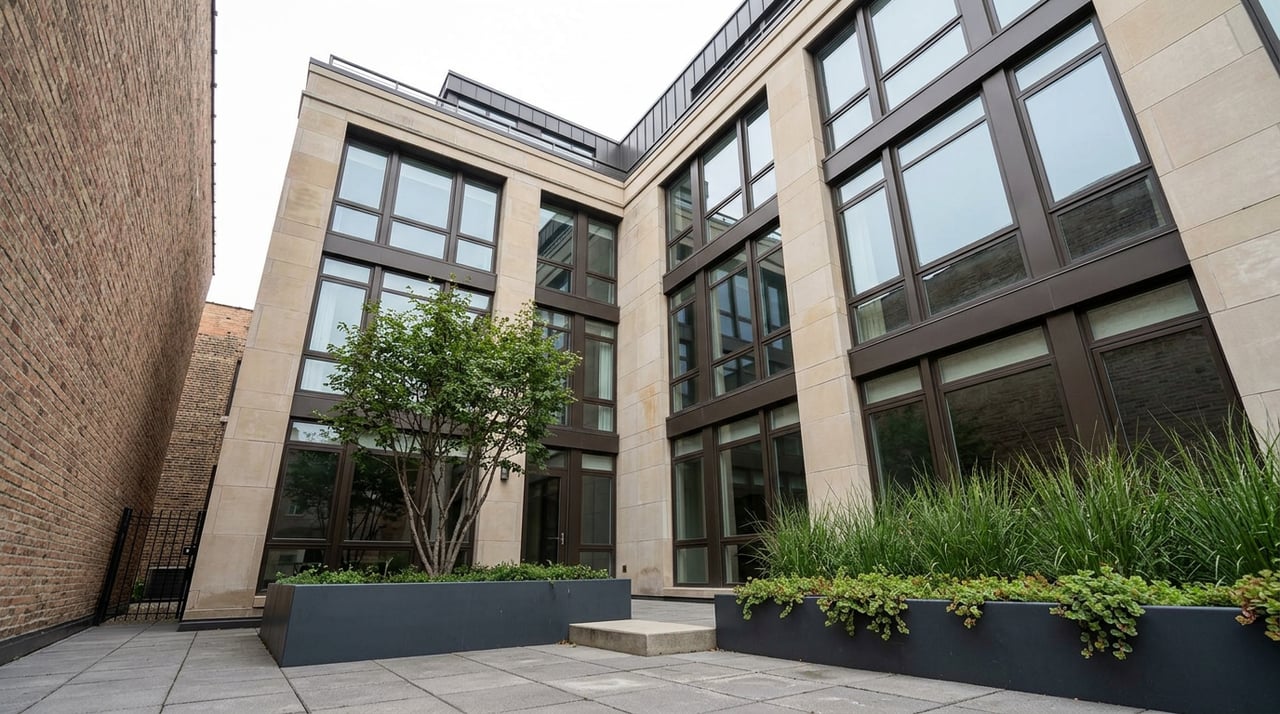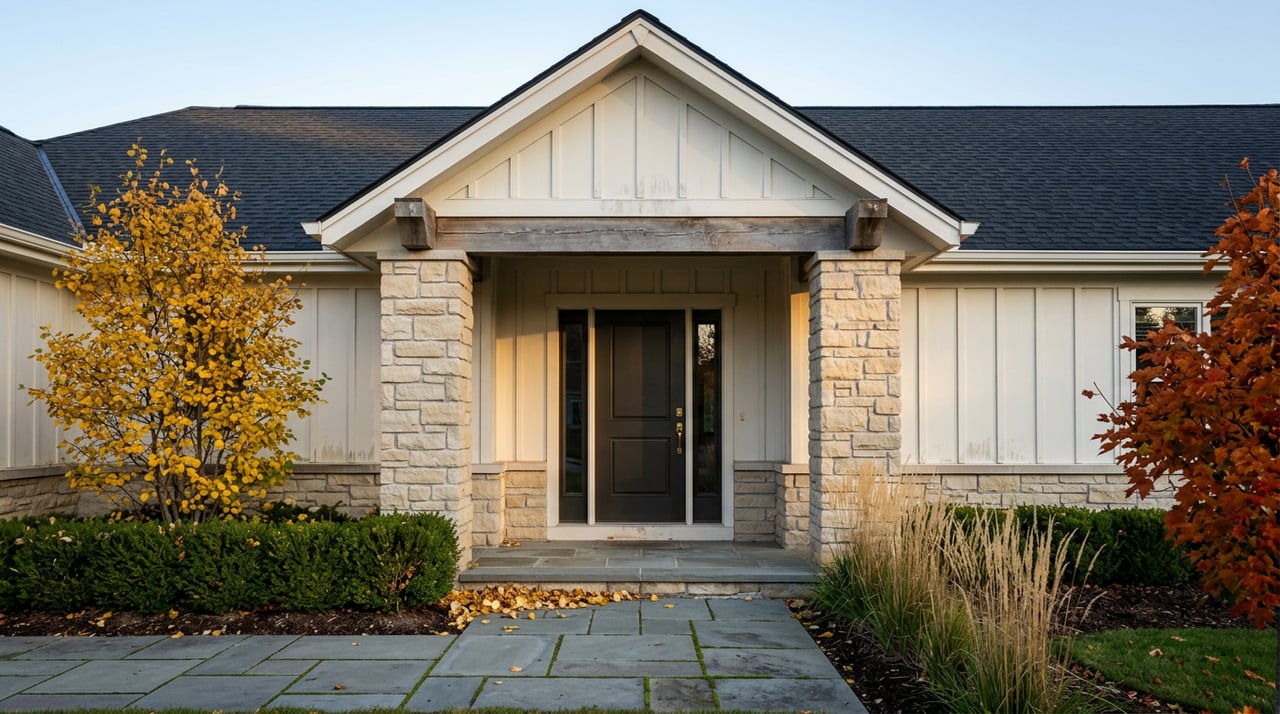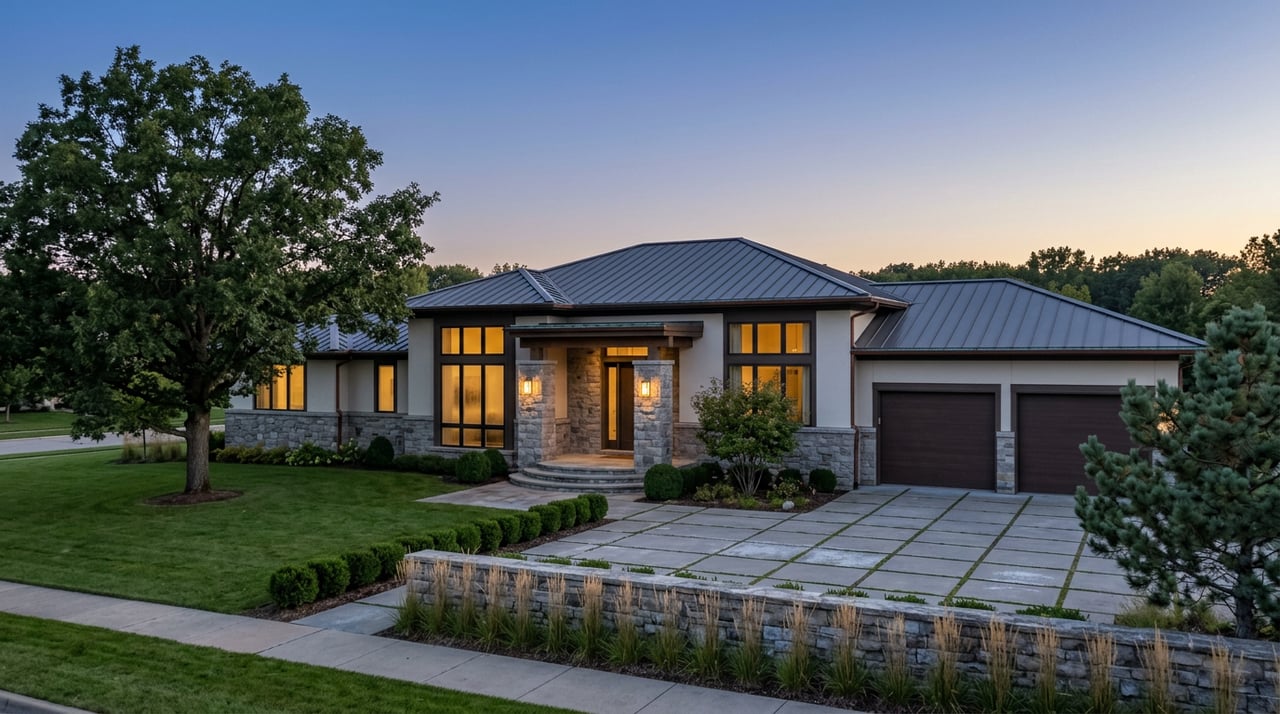
The Denver Gazette reported that, for most of the last eighteen years, a thirteen-acre parcel on East Berry Avenue sat empty across the street from Landmark's condo towers. Before the 2008 crash, a developer had plans to turn it into a denser, Italianate expansion of The Landmark itself. Then the recession hit, the plan died, and the lot became one of those quietly stubborn blank spots that every Denver Tech Center commuter drives past without registering. In June, that finally changed. Century Communities broke ground on The Village at Landmark, ninety gated single-family homes priced from $1.7 million to $3 million, with sales expected to start in spring 2027.
If you are comparing Greenwood Village against other south-metro suburbs right now, that groundbreaking matters more than any single price chart. It is the first real evidence of what has actually been driving this market for two decades, and it is not runaway demand. It is a construction drought.
The site had been caught for years between two competing pressures. Denver Tech Center employers and light rail access made it valuable enough to redevelop. Concerns among Greenwood Village residents about traffic and density were part of the debate over what could be built there. The result was nearly two decades of nothing, in a city with some of the tightest zoning in Arapahoe County outside Cherry Hills Village.
Jennifer Markus, the top-selling agent with the brokerage that handles the largest share of sales in Greenwood Village, told the Denver Gazette she expects the ninety homes to move quickly despite the price. Buyers over sixty typically avoid multistory floor plans, she said, but the private elevators built into every unit should solve that. She also flagged something specific to this project: the low-maintenance design and proximity to Landmark's restaurant scene make it a plausible lock-and-leave option for snowbirds who spend winters in Scottsdale or Naples.
"Those will sell," Markus told the Denver Gazette.
That is not a market prediction. It is a description of what happens when you introduce new supply into a submarket that has effectively had none for a generation.
Here is where the numbers stop telling a simple story. In the most recent monthly read, the average Greenwood Village house price sat at $1.73 million, down 4.7 percent from a year earlier. The median sale price told almost the opposite story: $1.8 million, up slightly year over year. Price per square foot dropped sharply, down more than 19 percent, which usually signals a shift in what kind of homes are actually closing rather than a genuine cooling of the market. Days on market climbed to 76, up from just 15 the year before. In the most recent 30-day tracking window this summer, zero percent of homes sold above asking price, and 60 percent of active listings had already taken a price cut.
Read individually, those numbers look contradictory: falling average, rising median, slower sales, more price cuts, yet still no bargains. Read together, they describe a market where sellers are not chasing bidding wars, because they don't have to. There simply are not many comparable homes to bid against. A separate market analysis covering the second quarter of 2026 put the working median closer to $1.85 million at $528 per square foot, with days on market nearer 38, still up over 4 percent year over year. The spread between these reads is not a data error. It reflects how differently the city's pockets behave depending on what you're comparing.
Public listing data broken out by micro-market makes the spread concrete:
Area | Typical price or median list price |
|---|---|
The Preserve at Greenwood Village | around $3.15 million |
Sundance Orchard Hills | around $1.5 million |
Landmark Towers Condominiums | around $1.15 million |
The Village at Landmark (new construction, 2027 delivery) | $1.7 million to $3 million |
That last row is the one worth sitting with. The first new single-family product to hit this market in nearly twenty years is not pricing into the middle of the range. It is pricing at the top of it, right alongside The Preserve's estate homes, not anywhere near the condo towers that anchor the lower end.
If you were hoping new construction might finally soften Greenwood Village's entry price, the Village at Landmark data says otherwise. Ninety homes, ranging roughly 3,280 to 4,500 square feet, with basements, three-bay garages, rooftop living spaces, and private elevators, are not built to compete on price. They're built to compete on a very specific kind of convenience: walkable to Landmark's restaurants and theater, close to Club Greenwood's tennis and athletic facilities, low-maintenance enough to leave for months at a time.
That tells you something useful if you're relocating for a Denver Tech Center role or comparing suburbs for a dual-income household. The scarcity that has kept Greenwood Village's median elevated for years is not being fixed. It's being confirmed. One of the only buildable parcels left in the city is set to hold ninety luxury homes priced at $1.7 million and up. When the only new product entering a market prices itself at the top, that is the market telling you where it actually wants to sit.
It's worth stepping outside Greenwood Village to see how differently this same distortion can show up. Littleton's citywide median sale price over the most recent three-month window through June 2026 sat at $625,000, essentially flat year over year, with homes selling in about 18 days and drawing roughly two offers on average. That is a calmer, more typical suburban market.
But the most recent neighborhood-specific breakout, from this past December, put Historic Downtown Littleton's median at $1.3 million, a 73.8 percent jump from the year before, even as the city overall stayed flat. That split isn't driven by a construction drought the way Greenwood Village's is. It's driven by walkability. Buyers in that pocket are paying for the ability to walk to Main Street, the light rail stop, and the Platte River Trail, not for scarcity of buildable land citywide.
Different mechanism, same lesson: a citywide median tells you almost nothing about what a specific block will cost you. Whether the driver is a two-decade building freeze or a few blocks of walkable charm, the number that matters is the one attached to the product you actually want, not the one attached to the city's name.
If you're relocating for a role based in the Denver Tech Center and weighing Greenwood Village against nearby suburbs, the practical takeaway is this: don't expect the market to loosen just because new homes are finally being built. The Village at Landmark is proof that Greenwood Village can still add supply at the top of the price range. If your budget sits below $1.5 million, that project doesn't change your search. It confirms that the homes in your range will keep being scarce, older, and likely to sell close to list price even with days on market trending longer.
If your household is comparing Greenwood Village against Littleton, Centennial, or another south-metro option, the honest comparison isn't citywide median against citywide median. It's the specific pocket you'd actually live in against the specific pocket in the other city, because both markets have shown they can produce wildly different numbers depending on which few blocks you're standing in.
Will the Village at Landmark make Greenwood Village more affordable once it's built? Based on its $1.7 million to $3 million pricing, no. It adds inventory at the top of the market, which may ease competition for buyers already shopping in that range, but it does not create a lower entry point.
Does the rise in days on market mean Greenwood Village prices are about to drop? Longer time on market, a high share of listings with price cuts, and almost no homes selling above asking may point to a softening market, but they don't establish that prices are about to drop.
If you're relocating to the Denver Tech Center area, whether for a corporate role, a hospital system further into the metro, or simply a household move that needs to line up with a start date, the numbers above are exactly the kind of detail worth walking through before you set a budget or a timeline. Doctor Relocation coordinates that kind of search across Metro Denver's suburbs, including the pocket-by-pocket pricing questions that a citywide median will never answer on its own. Contact us to talk through what a specific neighborhood, not just a city name, will actually cost you.